
Animals

Atlantic Sturgeon

Atlantic Sturgeon Status Rating:

Very Poor

but improving

Here’s Why:

The Atlantic Sturgeon is struggling for survival in the Delaware Estuary due to human-induced threats like overharvesting, ship strikes, and poor water quality. But there is hope for its recovery through strengthened conservation efforts.

What prehistoric fish has heavy armor and can grow to 800 pounds?

The Delaware Estuary is home to an ancient giant, the Atlantic sturgeon. With a lineage dating back more than 250 million years, this prehistoric giant is a living testament to a time when dinosaurs roamed the earth. These majestic and enormous fish that meander riverbeds can grow as long as 15 feet. Fortunately, their long survival story is coming to a turning point, as sturgeon are recovering from harsh threats brought upon by human activity. This section discusses the journey of the sturgeon and the challenges they’ve faced in recent centuries in their quest to endure.
Mature Atlantic sturgeon migrate from the sea to freshwater to spawn. Spawning occurs in the fresh waters of the Delaware River, where the bottom is hard and rocky. Female sturgeon take 15 years to reach reproductive maturity and spawn every one to five years, making population growth slow.

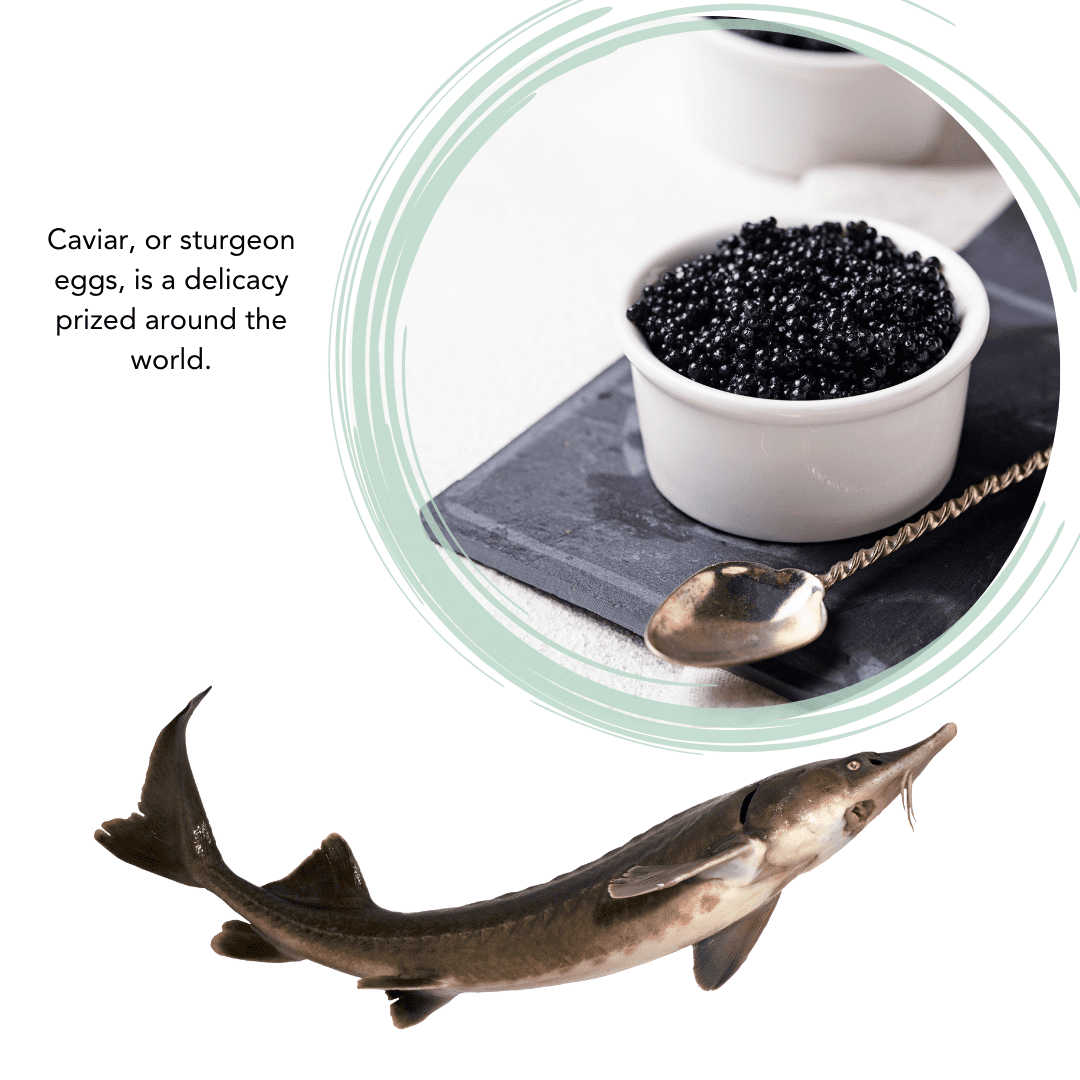
Sturgeons’ ability to survive for 250 million years is no small feat. These amazing fish have withstood major climatic changes before, but with humans in the picture, they have faced various dangers. Sturgeons mature into highly valued commercial fish, prized for their meat and eggs. The eggs, more famously known as caviar, are highly valued around the globe. Industrial development, ship strikes, overharvesting, and poor water quality threaten these fish further to extinction. The Atlantic Sturgeon and its cousin, the Shortnose Sturgeon, are federally endangered under the Endangered Species Act.

In the late 1800s, the Atlantic sturgeon population was abundant, with the Delaware River sturgeon outnumbering those from all other estuaries and rivers combined. This past abundance tells us that the Delaware River has the potential to support a large population of sturgeons.

Sturgeons require clean, well-oxygenated waters to thrive. Oxygen levels in the river can drop to critically low levels, especially in warmer months, creating what is known as hypoxia, which could affect the survival and growth of young sturgeons. Recent data shows a growing number of young sturgeon in the Delaware Bay, indicating a potential population increase. Growing reports of dead sturgeon, mostly from ship strikes, could also suggest population growth.

Researchers believe that the low oxygen levels in the Delaware River, primarily due to pollution and hypoxia, have significantly hampered the sturgeon’s efforts to recover their population numbers naturally. Despite these challenges, studies and surveys indicate consistent successful reproduction among sturgeon, offering hope for the future.

Photo by Ian Park. The images were taken pursuant to NMFS ESA Permit No.24020

Things You Can Do

What is Being Done?

The Division of Fish and Wildlife, under Delaware’s Department of Natural Resources and Environmental Control, is part of a multi-state collaborative project to study and manage fishing. The division conducts surveys of Atlantic Sturgeon in the Delaware River to monitor population levels and evaluate spawning success.

Building Connections

How does the Atlantic sturgeon population status contribute to the strategies and goals outlined in the Delaware Estuary Program’s Comprehensive Conservation and Management Plan (CCMP)?

CCMP STRATEGY H3.1: Inventory, map, protect, and enhance habitat critical for fish and crabs This Atlantic sturgeon indicator status report is based on research compiled in the 2022 Technical Report for the Delaware Estuary and Basin (2022 TREB). Please refer to this document for more information.

JOIN US

Get the Latest News

This field is for validation purposes and should be left unchanged.

subscribe

Name(Required)