Science & Research

Shell Recycling Program

We use oyster shells to restore our shorelines

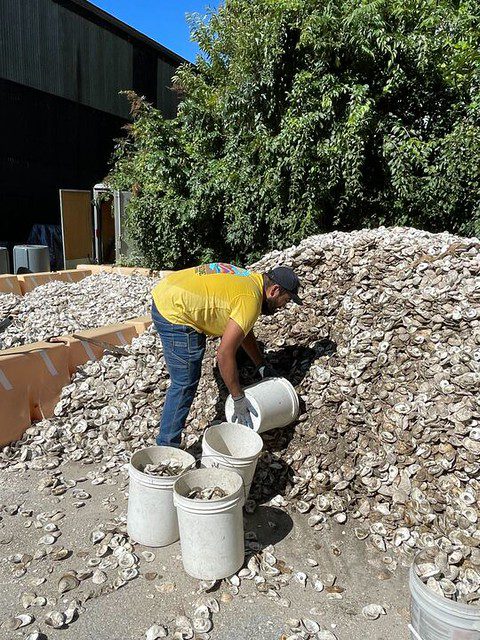
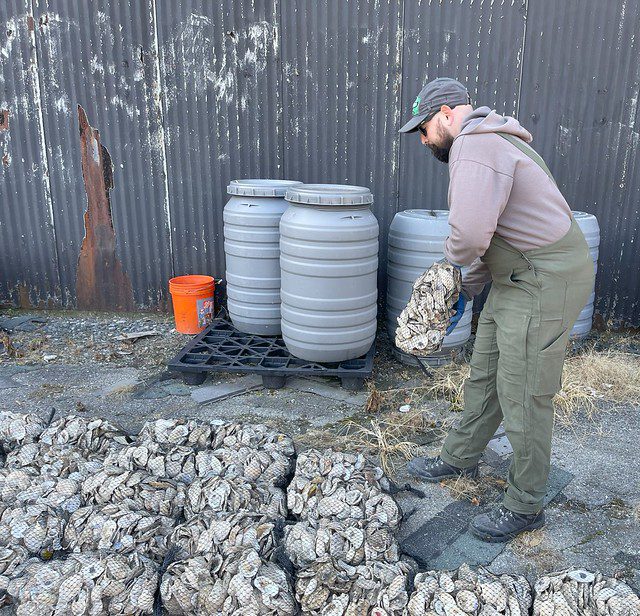
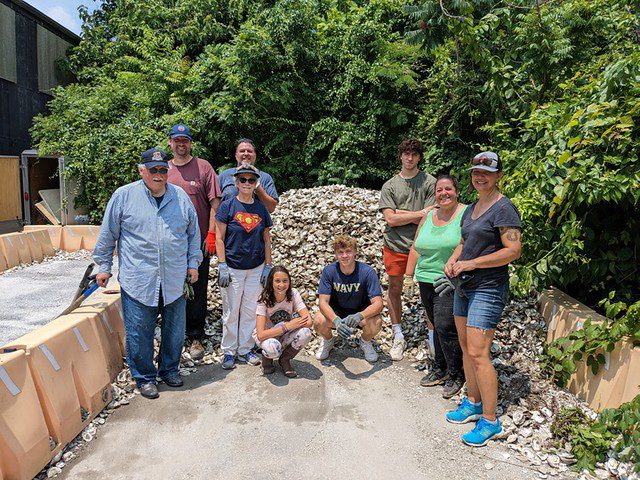
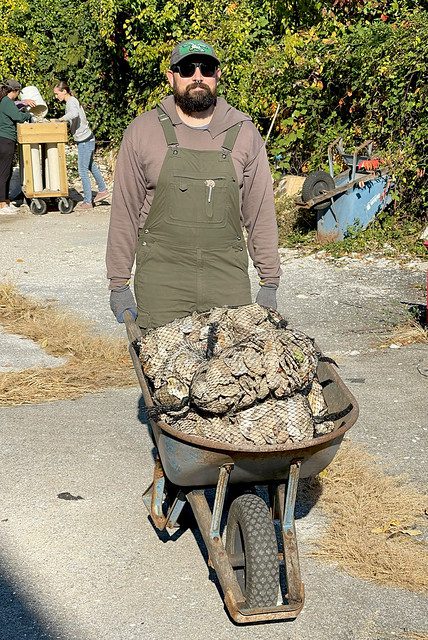
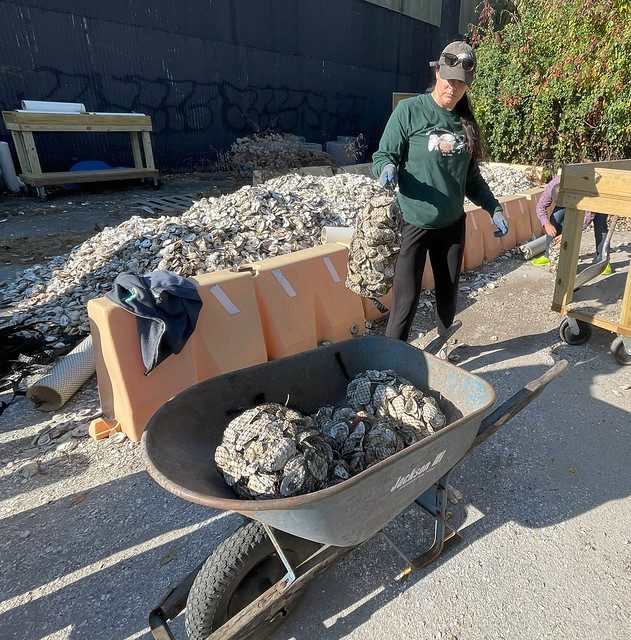
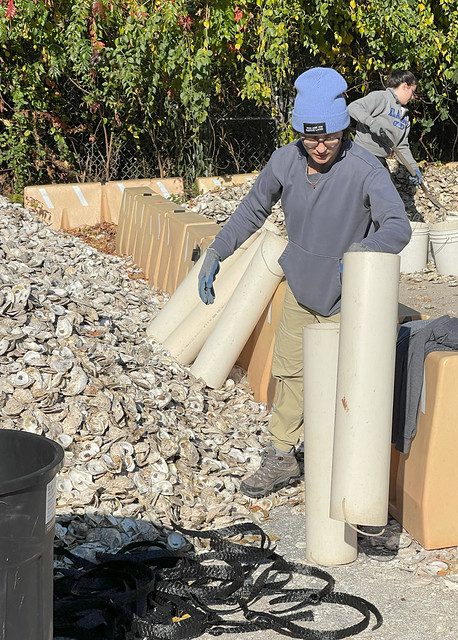
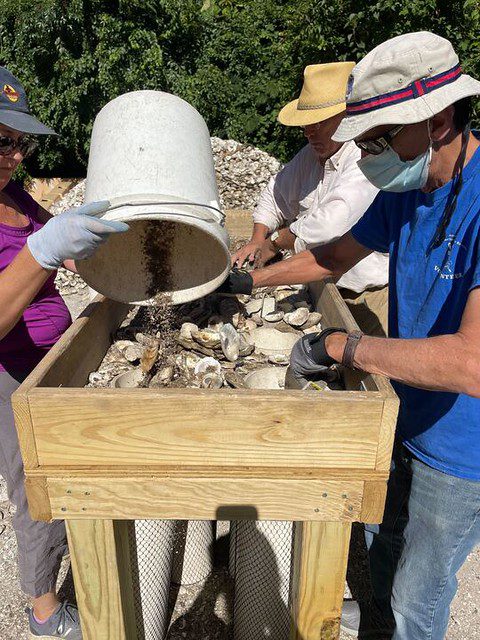
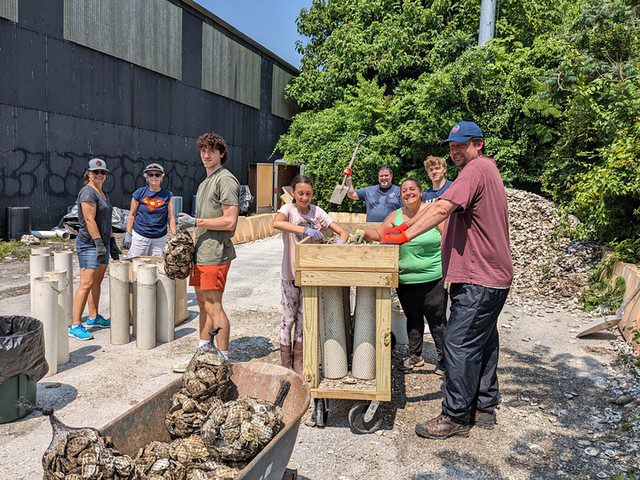
Aluminum cans, old newspapers, and plastic bottles are examples of things we’re all accustomed to recycling. It’s something most of us do every day. Did you know that oyster shells are recyclable too? There’s a shell shortage in the Delaware Bay, while used oyster and clam shells pile up in local restaurants and get disposed of in our landfills.

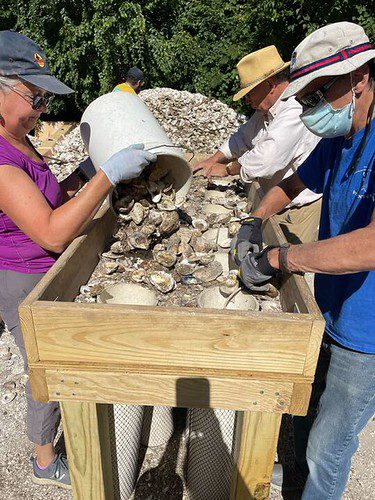
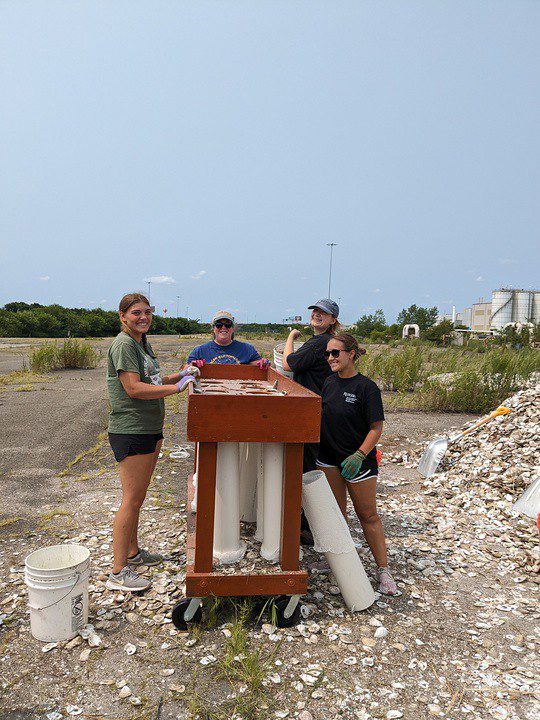
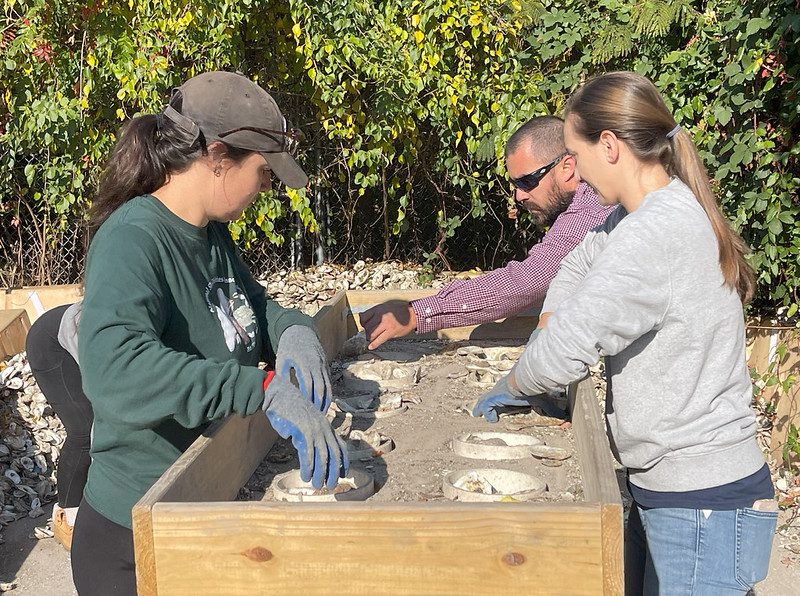
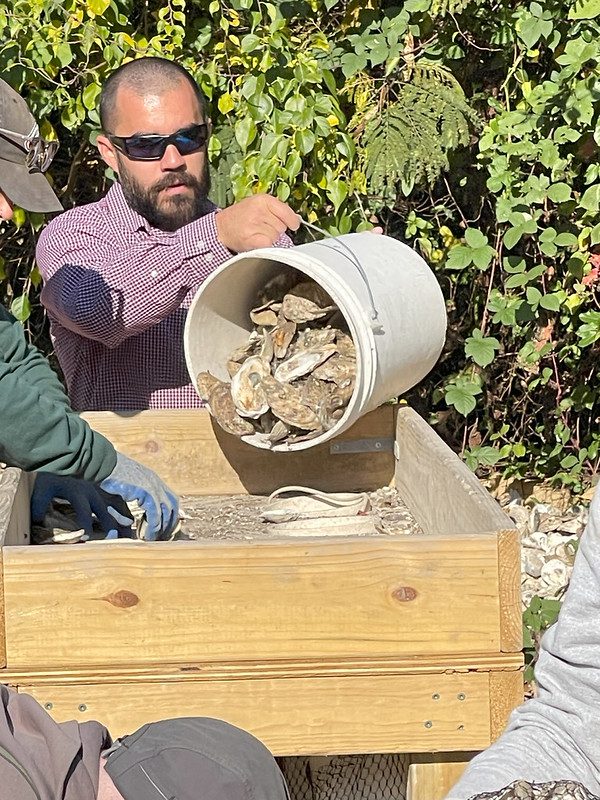
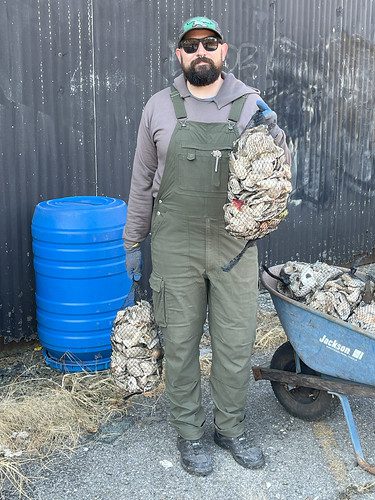
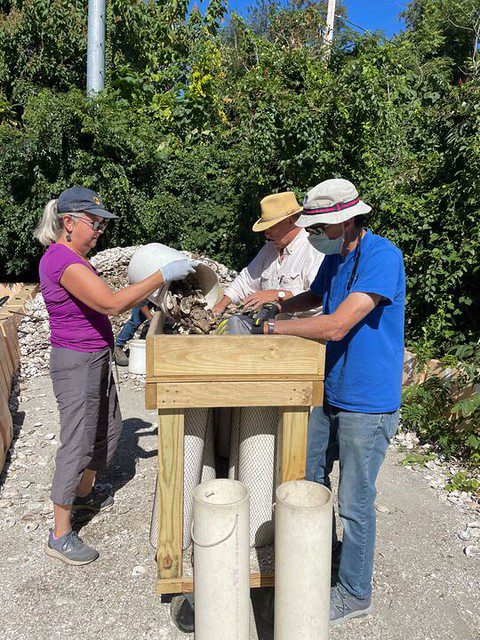
While we harvest millions of oysters each year, only a fraction of shells get returned to the water. Recycled oyster shells are returned to the Delaware Bay, and help support the development of oyster reefs. Oyster reefs provide important ecosystem services, such as water filtration, habitat creation, and erosion control. Disposing of harvested oyster shells hurts our bay, our shorelines, and ultimately each of us. In partnership with local restaurants and community organizations, we are changing that. With your help, we are returning oyster shells to the Bay so new oysters can grow, habitats get created, and shorelines are protected.

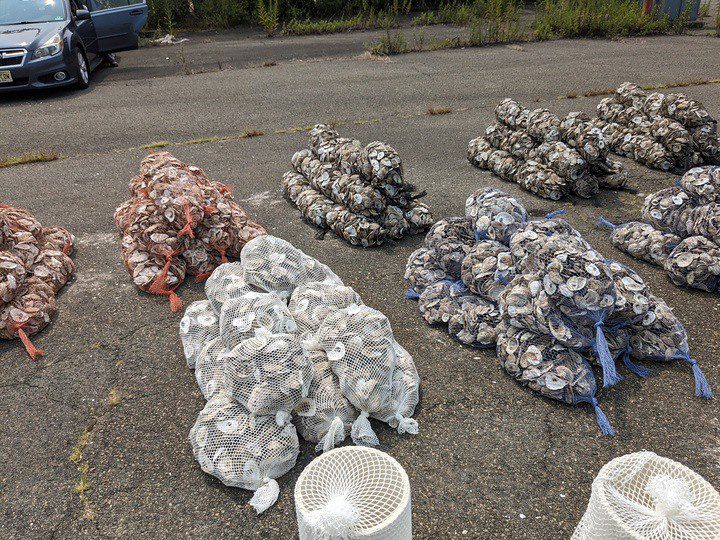
The overarching goal of the Partnership for the Delaware Estuary’s Oyster Shell Recycling Program is to recycle spent oyster shell for purposes of addressing shell shortages in the Delaware Estuary, and using this critical resource to uplift coastal resilience, provide habitat, and facilitate larger and healthier shellfish communities that promote clean water.

Additional objectives are to:

  • Promote greater awareness for the importance of our local shellfish as a key natural resource
  • Promote the recycling of valuable waste products, thereby stemming the volumes added to local landfills.

Oyster decline in the Estuary

0

of oysters in the Delaware Estuary were killed by the disease MSX in the 1950s.

In the Delaware Estuary, oysters were abundant until the 1950s, when the disease MSX killed more than 95 % of the population. A second oyster disease, Dermo, emerged in the 1990s, and both continue to affect oyster populations today.

Although the current oyster population is only  a fraction of its historic size, oysters remain resilient and continue to grow and reproduce. Most reefs within the Delaware Estuary are located in New Jersey’s portion of the Delaware Bay, but oysters will settle throughout the estuary wherever they can find habitat. Today’s commercial harvests are considered sustainable, thanks to collaboration among researchers, resource managers, and state officials who use scientific data to guide decision making.

Oysters 101

The eastern oyster (Crassostrea virginica) lives in estuaries along the Atlantic and Gulf coasts and has served as an important food source for centuries. While oysters are valued for their culinary uses, they also play a vital ecological role as filter-feeders. Related to clams and mussels, oysters have the ability to consume extremely small particles like phytoplankton from the water. By filtering out these particles in the water, oysters help clean the water they live in! These natural benefits, known as ecosystem services, support diverse plant and animal life in the estuary.

In addition to their water-filtering abilities, oysters are also exceptional reef builders. They reproduce by releasing eggs and sperm into the water, where fertilization occurs naturally. The resulting larvae float until they find a suitable place to settle, usually on other oysters! As generations of oysters grow on top of each other, large reefs can form, sometimes growing many feet high and miles wide. These reefs provide habitat, shelter, and feeding grounds for numerous species, including blue crabs, striped bass, and fish. Much like coral reefs in tropical regions, oyster reefs help sustain rich and diverse biological communities. Healthy oyster reefs also support local economies through recreational and commercial fisheries!

Get Involved

Support these restaurants

This program would not be possible without the participation and support of our restaurant partners. Treat yourself to a nice meal at one (or all!) of these fine establishments today!

Sign up as a restaurant partner

Is your Delaware or Philadelphia restaurant interested in participating in our recycling program? Email Leah Morgan at lmorgan@delawareestuary.org.

Thank You to Our Current Partners and Supporters!

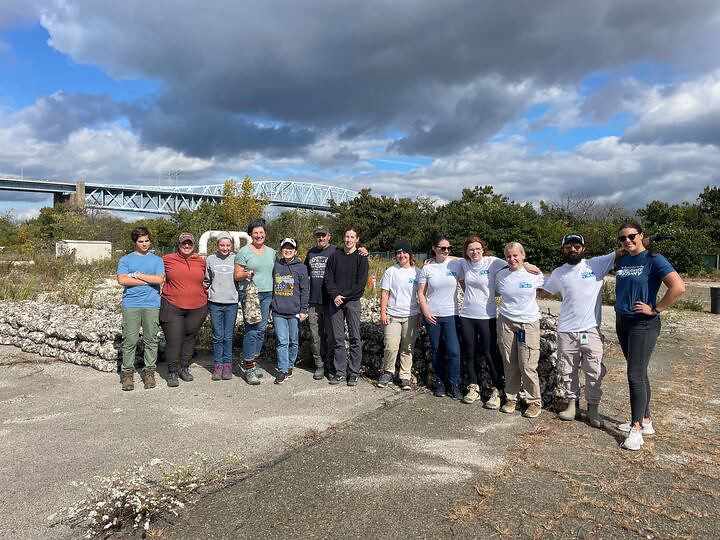
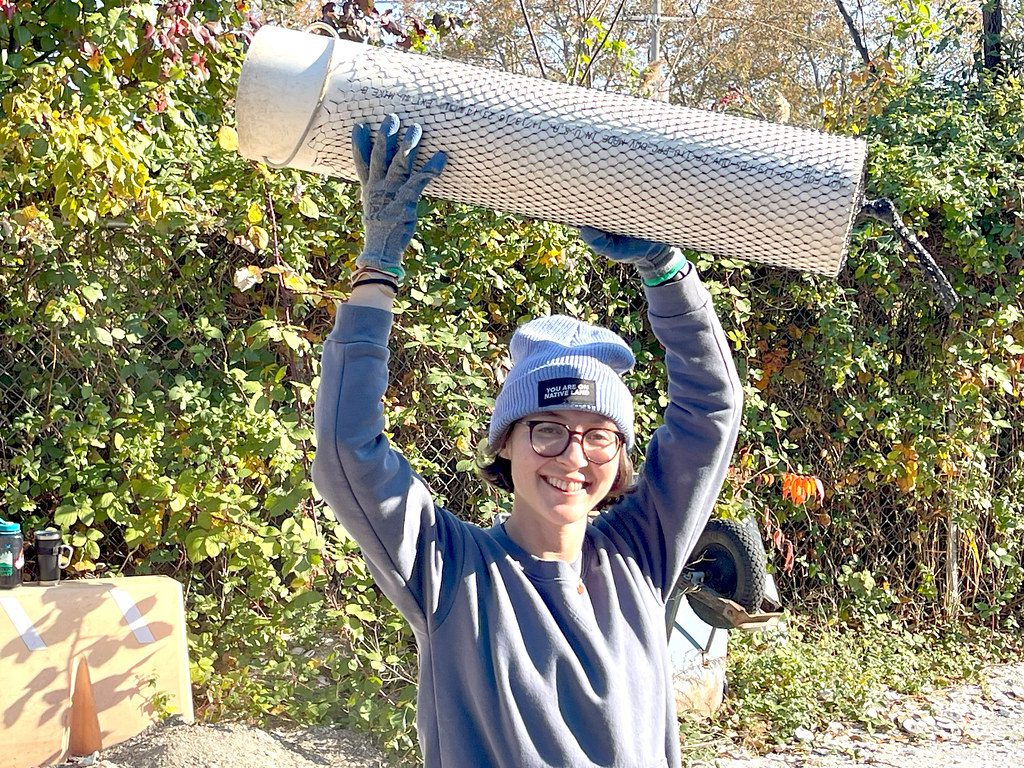
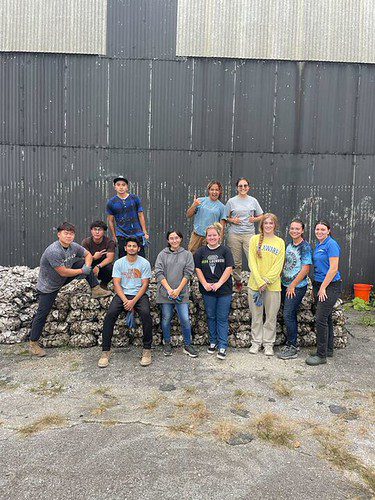
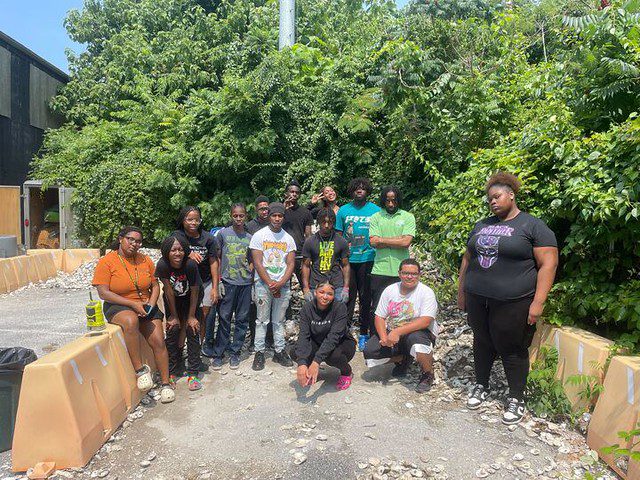
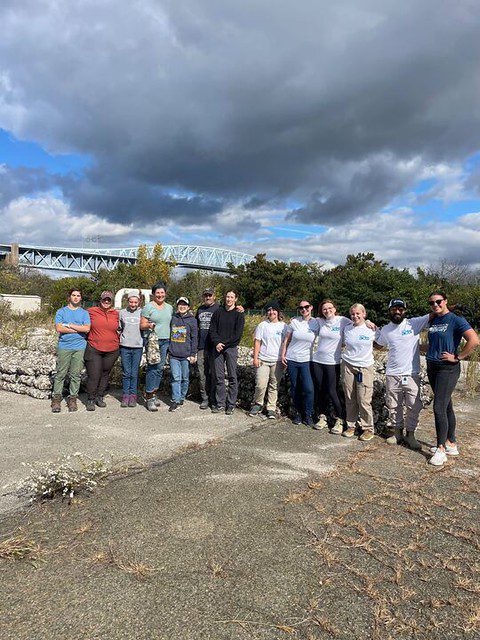
This work wouldn’t be possible without the ongoing dedication and support from volunteers, restaurant partners, and program funders.

Program funders and supporters have included DuPont Clear into the Future, the Welfare Foundation, the Delaware Recycling Public Advisory Council, EDiS, PADEP Growing Greener, Philadelphia Water Department, the HDR Foundation, Eastern Highway Specialists, U.S. Fish and Wildlife Service, and an EPA Assistance Agreement.

JOIN US

Get the Latest News

This field is for validation purposes and should be left unchanged.

subscribe

Name(Required)