
Science & Research

Freshwater Mussels

What are Freshwater Mussels?

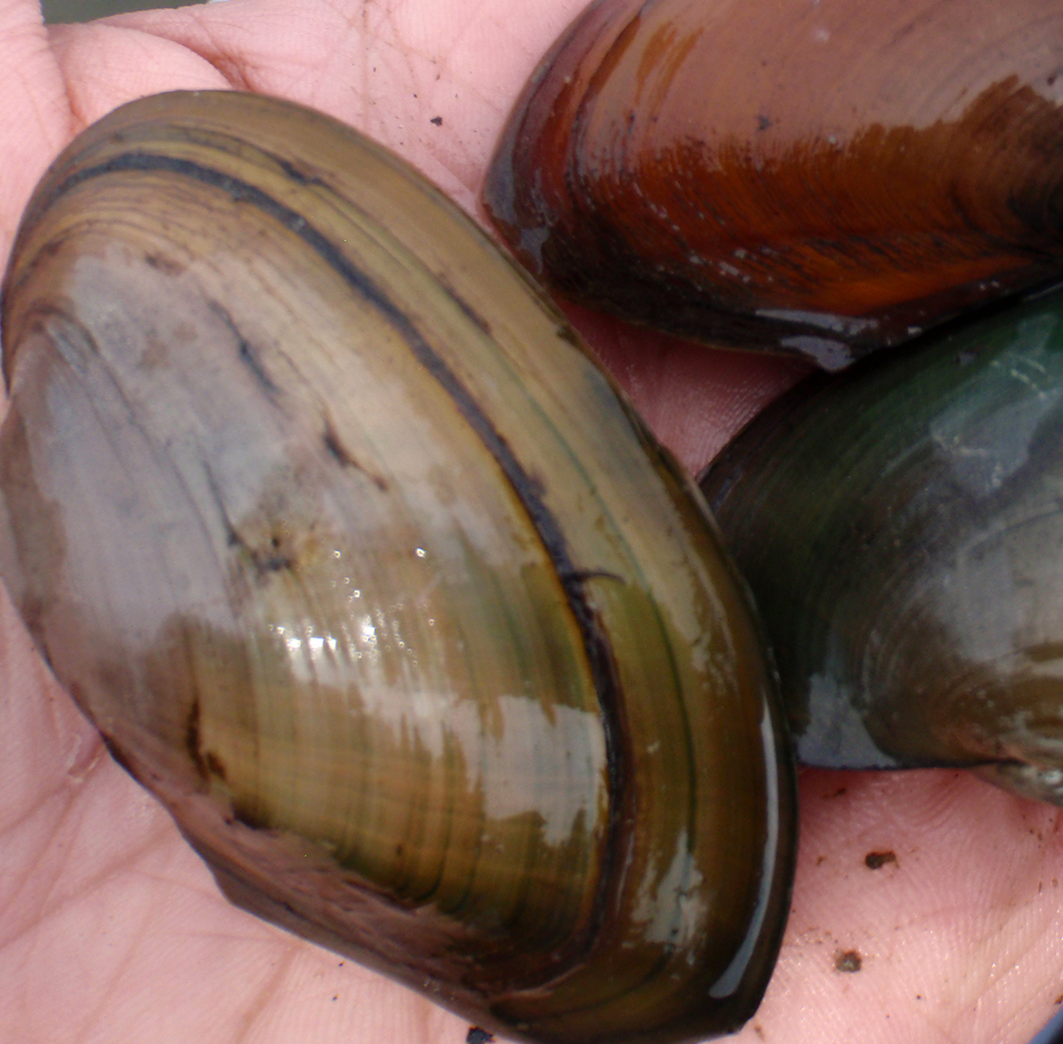
Freshwater mussels are bivalve mollusks just like oysters, clams, and saltwater mussels. Unlike saltwater bivalves, freshwater mussels live in our local streams and rivers and provide many benefits to our natural ecosystem. Learn more about the fascinating freshwater mussel by exploring our story map below!

0

of freshwater mussel species in North America have a conservation status of at least “concern” (with some species threated or endangered).

Today, you’re lucky to find any native mussels in the Delaware Estuary, since the abundance and distribution of all our native mussel species has dwindled. Causes for mussel declines include pollutants, dams, toxic spills, and overharvesting for bait.

To conserve and restore native mussel populations in the Delaware River Basin and vicinity, the Partnership for the Delaware Estuary created a Freshwater Mussel Recovery Program (FMRP) in 2007.

Freshwater Mussel Science and Recovery

The Partnership for the Delaware Estuary recognizes the need to conserve existing mussel populations and restore native freshwater mussels to the Delaware Estuary and River Basin. PDE scientists conduct surveys to collect data on where mussels currently exist, which species are abundant, and how healthy the populations are. PDE teaches mussel workshops to train citizen scientists to help in these efforts. Scientists also assess current stream health throughout the region. If a stream is healthy and has contained mussels in the past, PDE will attempt to restore native freshwater mussels to the area by transplanting mussels from an existing nearby healthy population. PDE’s work to understand, conserve, and restore native freshwater mussels results in improvements to all-around ecosystem health— including cleaner water and better habitat for other animals in our streams and rivers.

You can learn more about our plan for freshwater mussel restoration by clicking HERE.

Mussels for Clean Water Initiative (MuCWI)

Partnership for the Delaware Estuary (PDE) and the Pennsylvania Infrastructure Investment Authority (PENNVEST) have signed a multi-million dollar funding agreement for the development and construction of a large-scale freshwater mussel hatchery and research center. This agreement is the culmination of two years of work toward the Mussels for Clean Water Initiative (MuCWI).

Decline in Freshwater Mussels

Nearly 300 mussel species are native to North America. Over a dozen of these species were historically found in streams throughout the Delaware Estuary. Unfortunately, few of these are commonly found in Pennsylvania, New Jersey, and Delaware today. The decline of mussels can be blamed on a combination of known and unknown factors. These factors include polluted water, toxic spills, over harvesting, loss of forests along streams, loss of fish hosts needed for reproduction and dams that block fish passage.

Download our “Freshwater Mussels of the Delaware Estuary” Guidebook to learn more about the dozen species native to the Delaware Estuary.

JOIN US

Get the Latest News

This field is for validation purposes and should be left unchanged.

subscribe

Name(Required)