Philly Water Department: Growing Scientists One Mussel at a Time
By Sally Ehlers, Science and Engagement Coordinator
Is a high school class aquarium the future of freshwater conservation? That’s the idea.
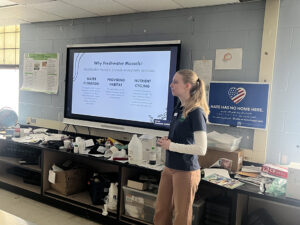
This year, more than 200 middle and high school students became researchers through the Philadelphia Water Department’s (PWD) Mussels in the Classroom program. Freshwater mussels are the most threatened group of animals in North America, despite having qualities that make them an important part of the ecosystem (a single adult mussel can filter up to
10 gallons of water per day). Pollution, habitat loss, dams, and overharvesting have caused dramatic population declines, and conservation efforts increasingly rely on
public awareness and research to help scientists understand how to raise these animals successfully.
The Mussels in the Classroom program brings conservation science directly into schools while giving students in grades 7 through 12 an opportunity to contribute to ongoing research. Students care for juvenile mussels, collect growth and water quality data, and in the process gain a deeper understanding of local river ecology. The idea grew from a simple question: could students contribute meaningful research while becoming invested in freshwater conservation?
“We wanted to see if this is something that kids would be interested in and if the data they provide us could be meaningful and useful,” said Lance Butler, a senior scientist at PWD.” What can we do that will spark their interest, and at the same time, be a module or mechanism to teach them about the ecology of mussels?”
Three schools are part of the program — Lankenau and Lincoln high schools and Greenfield Middle School, all in Philadelphia — with the older and younger students focusing on
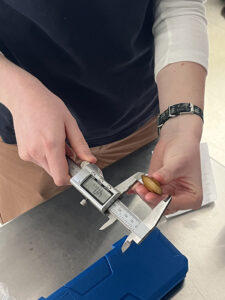
different factors in mussel rearing and health.
“I enjoyed testing the water because I felt like a scientist,” shared one middle schooler from Greenfield.
Butler hopes the program continues to grow.
“Eventually, I hope we can create a great cohort of six to eight schools — a think tank of educators,” he said. “Our ultimate goal is for educators to sort of take the project and run with it, as they see fit.”
