Photo by: Dlanglois (Wikimedia)
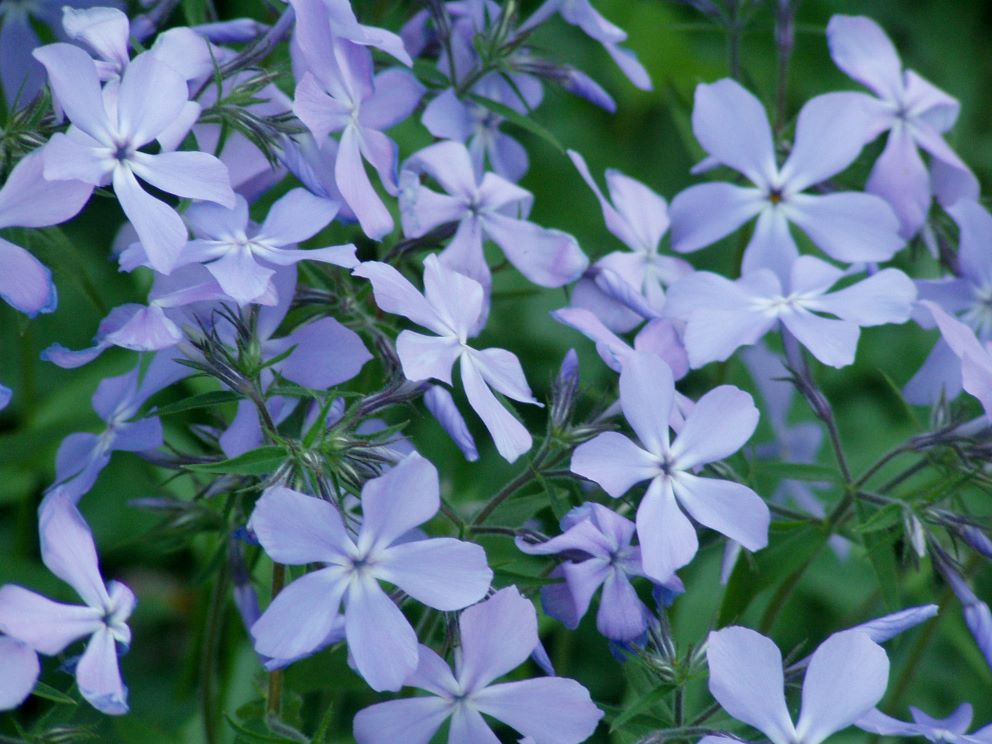
Woodland phlox (Phlox divaricata) is one of spring’s most charming native wildflowers, bringing a gentle splash of color just when gardens need it most. Blooming in early April and lasting nearly a month, its delicate flowers brighten landscapes that are often still waking up from winter’s browns and greens.
As its name suggests, woodland phlox feels most at home in lightly wooded areas. It thrives with some shade or cover later in the summer, which helps keep it happy year-round. This low-growing perennial can stay nearly evergreen through mild winters, making it a lovely groundcover even when flowers aren’t in bloom.
In spring, slender flower stems rise from the basal foliage, topped in our woodlands with clusters of fragrant blooms in shades of light lavender and blue, but there are also cultivars (cultivated varieties) with pink, purple, or white. Each flower can reach up to an inch across, creating a soft, glowing display. Woodland phlox is adaptable to different soil types but prefers moist to average conditions.
Pollinators love it, too. Butterflies and moths are drawn to these early-season blossoms, making woodland phlox an important nectar source when few other flowers are available.
It’s sometimes mistaken for the nonnative sweet William (Dianthus barbatus), but there are clues: sweet William usually blooms later, grows a bit taller, and often has fringed petals. Woodland phlox, by contrast, keeps things simple and elegant.
Fragrant, pollinator-friendly, and easy to love, woodland phlox is a true spring favorite—and a little purple magic for any garden.
Woodland Phlox
- Hardiness Zone: 3-9
- Bloom Time: March, April, May
- Bloom Color: Lavender, light blue-violet, pink, white
- Attracts Bees, Butterflies and other Pollinators
- Height: 10-14 inches
- Width: 12-16 inches
Sprout An Interest in Native Plant Gardening With our Native Seedling Guide
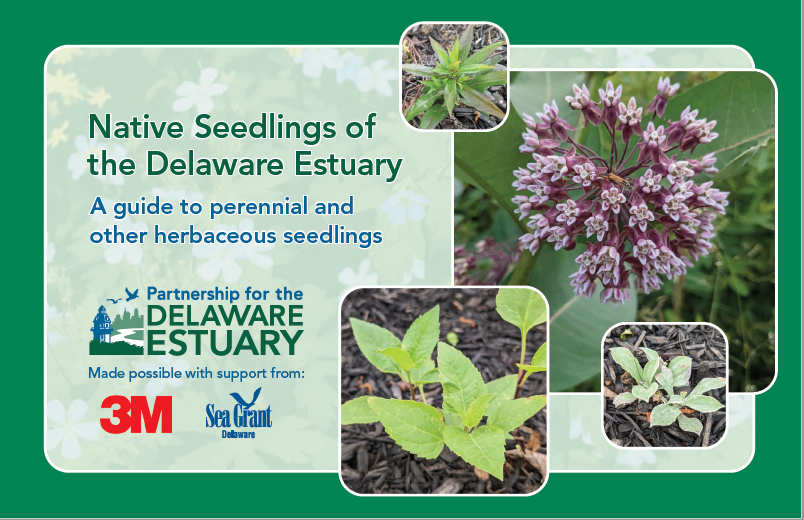
Having trouble identifying those small plants in your garden or learning how to make them thrive? Fear not. The “Native Seedlings of the Delaware Estuary: A Guide to Perennial and Other Herbaceous Seedlings” is available to help you figure it out. This guidebook contains more than 50 common native plants used in backyard pollinator and rain gardens. Each page includes a picture of the species as a young plant, the adult version, tips for identification, and the plant’s usual growing conditions and wildlife use. Click here to start reading.
